
Query found to be the biggest predictor of CTR delta.
In a surprise discovery, we found that query itself is the biggest predictor of how much CTR will deviate from the site's position average.
 [powerpress]
Query is the strongest signal for CTR prediction
In a deep CTR analysis of 30,000 query/URL pairs, we looked for relationships between query and basic snippet text features including title, description and URL. All combined feature attempts resulted in signal noise and weak correlations. In response, we trained four separate classifiers, each specialising in a single aspect of the analysed SERP snippet. Each classifier was used to process the entire dataset and the results were combined. This lead to clearer correlations, better feature interpretability and the discovery of search query as the dominant factor in CTR delta prediction. This finding highlights the importance of query intent comprehension with significant implications on traffic modelling and projection tasks in search. The rest of this article outlines our process and concludes with practical application in the context of SEO analysis and strategy design. Read on or skip to the end for TLDR.Data Pre-Processing
In our study we slice the data to a single dimension group, for example:- Query: flux capacitor
- Page: https://dejanmarketing.com/flux/
- Impressions: 100
- Clicks: 10
- Position: 5
- Device: Desktop
- Country: USA
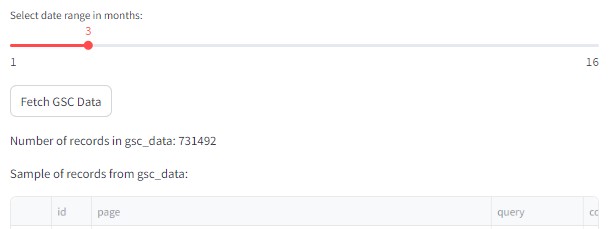
Data Source & Acquisition
Google Search Console data was pulled in via API with the following dimensions for a 90 day range:- Query
- Page
- Impressions
- Clicks
- Position
- Device
- Country
Query-URL Pair Canonicalisation
Since each query can have multiple target URLs we determine the canonical URL for each query by selecting the top URL by clicks for that query. Example:- Query: flux capacitor
- URL Candidates:
- URL Candidate Clicks for "flux capacitor":
- 120
- 14
- 8
- 3
- 0
Query Intent Classification
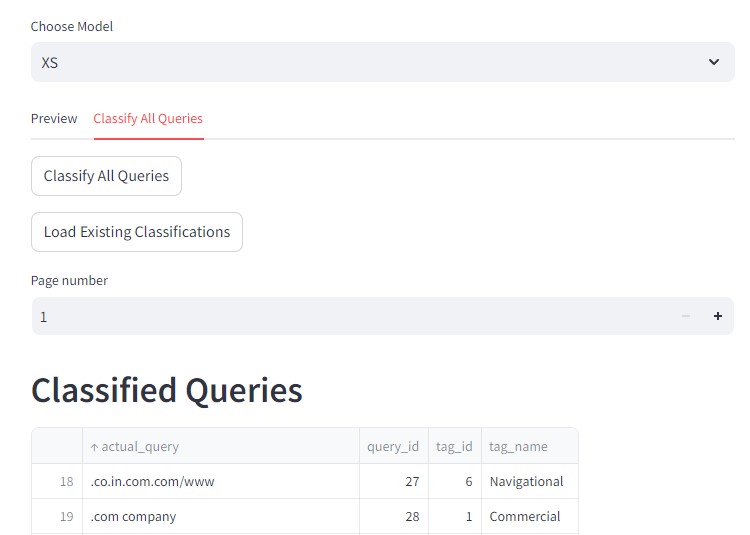
User behaviour differs vastly between different query types and so we employ our custom-made query intent classifier to label the query dataset into:LABEL_0: 'Commercial' LABEL_1: 'Non-Commercial' LABEL_2: 'Branded' LABEL_3: 'Non-Branded' LABEL_4: 'Informational' LABEL_5: 'Navigational' LABEL_6: 'Transactional' LABEL_7: 'Commercial Investigation' LABEL_8: 'Local' LABEL_9: 'Entertainment'
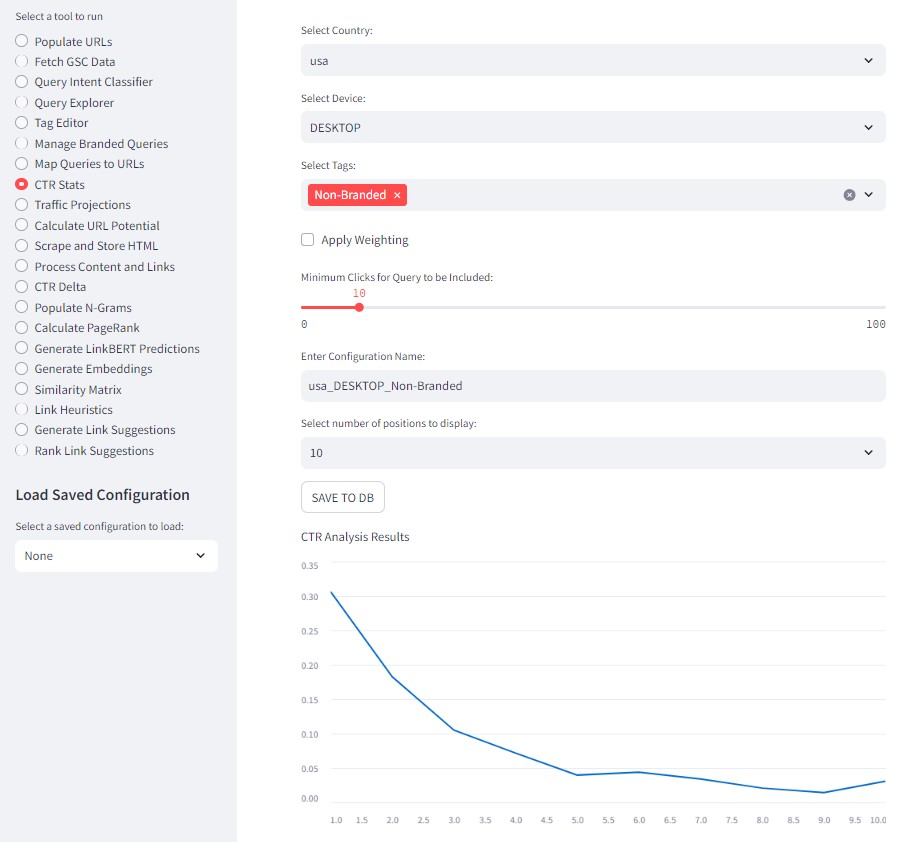
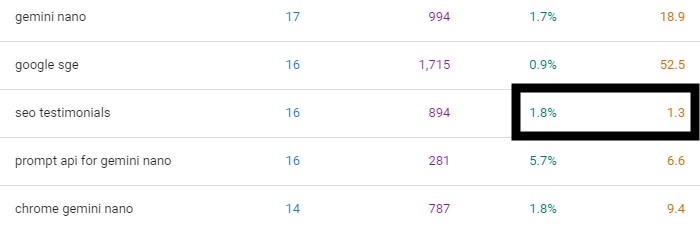
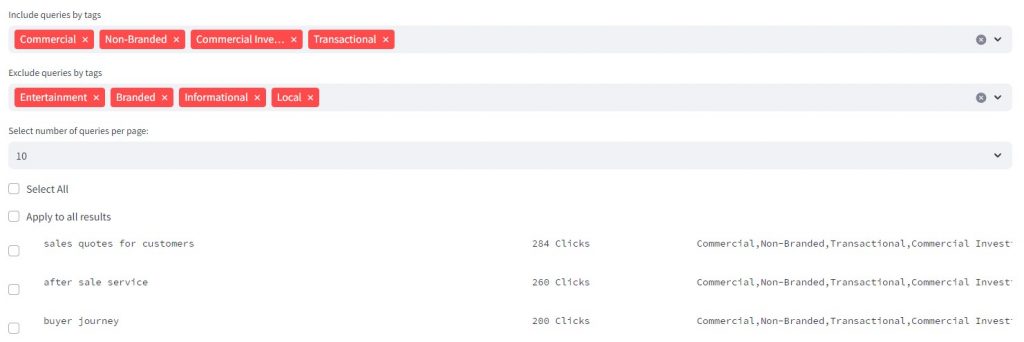 This step is key because it allows for intent-specific CTR average calculations. A query "seo by dejan" on #1 will have a 30% CTR while query "seo testimonials" on #1 will have a 1.8% CTR. If you treat them equally you'll end up with noisy CTR averages. Splitting calculations into branded and non-branded queries addresses the biases associated with brand-related query intent.
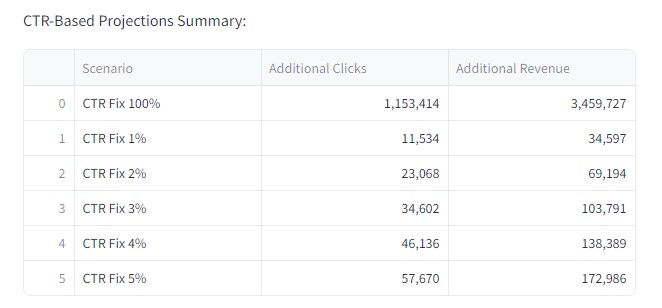
 With clean CTR statistics it's possible to do three levels of traffic projections:
- CTR Improvement scenarios
- Rank Improvement scenarios
- Hybrid scenarios combining gains in both CTR and position
 The next step is to scrape and extract meta data for each page and store it in a database. We use a combination of trafilatura and beautiful soup for the task. One for full page content and another for more precise extraction of titles and descriptions. Later down the track, the above mentioned metadata fits into the following structure:
Query [SEP] Title [SEP] Description [SEP] URL [SEP] CTR Delta
The next step is to scrape and extract meta data for each page and store it in a database. We use a combination of trafilatura and beautiful soup for the task. One for full page content and another for more precise extraction of titles and descriptions. Later down the track, the above mentioned metadata fits into the following structure:
Query [SEP] Title [SEP] Description [SEP] URL [SEP] CTR Delta
CTR Delta Calculation
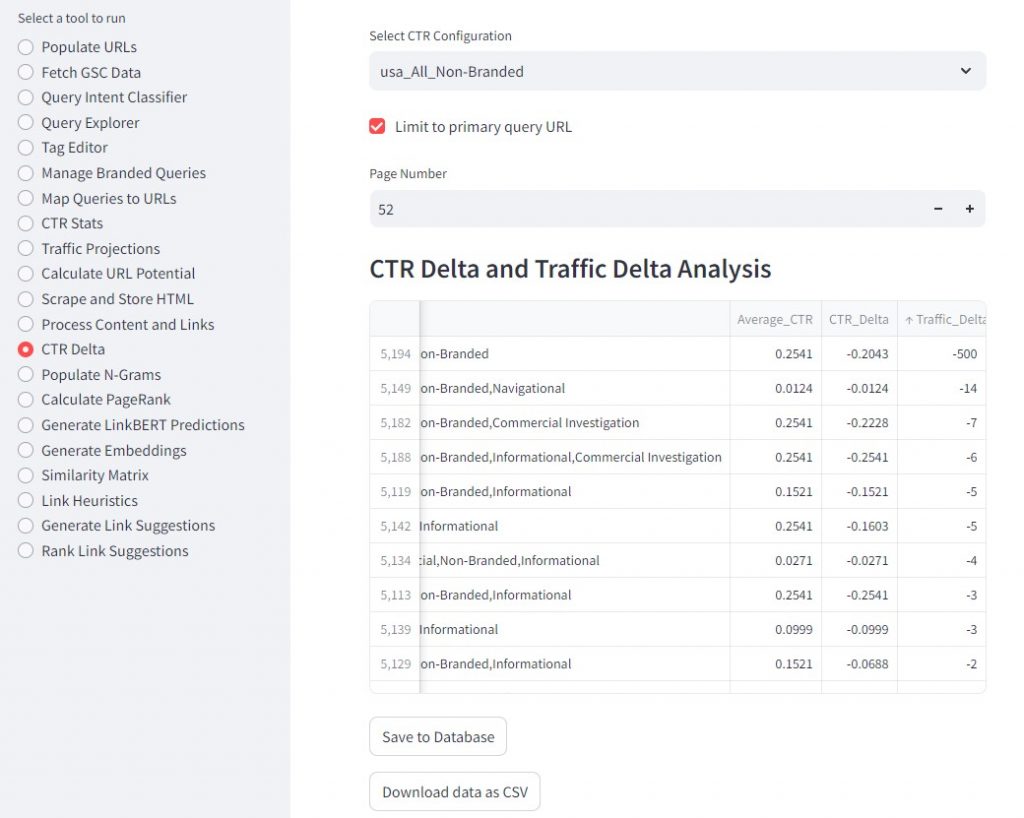
Equipped with clean and unbiased CTR statistics we're able to calculate CTR Deltas for each query/URL pair. In the example provided we see a non-branded query page receiving a 20% lower CTR than expected for that site resulting in a loss of 500 clicks. This holds true after we filter for that exact country, device and query type. With a reliable CTR Delta metric we can calculate the click loss and flag that query for investigation.Is the cause for bad CTR in the snippet itself or is there something else?
We won't be going into special SERP features and their impact on CTR as it is not the focus of this particular workflow.Believe it or not, all that was only the preliminaries.
And as is with anything related to machine learning, most of the time is spent on getting your data clean and ready. And now we're ready. We have the CTR stats, the deltas, queries, titles, descriptions and URLs.Training Classifiers
We fine-tune four small transformers on separate tasks and combine the predictions of each specialist model:- query transformer
- title transformer
- description transformer
- url transformer
├── 2024-08-17T14-24_export.csv
├── albert-ctr-description-model
│ ├── config.json
│ ├── model.safetensors
│ ├── special_tokens_map.json
│ ├── spiece.model
│ └── tokenizer_config.json
├── albert-ctr-query-model
│ ├── checkpoints
│ │ ├── checkpoint-1553
│ │ │ ├── config.json
│ │ │ ├── model.safetensors
│ │ │ ├── optimizer.pt
│ │ │ ├── rng_state.pth
│ │ │ ├── scheduler.pt
│ │ │ ├── trainer_state.json
│ │ │ └── training_args.bin
│ │ ├── checkpoint-1582
│ │ │ ├── config.json
│ │ │ ├── model.safetensors
│ │ │ ├── optimizer.pt
│ │ │ ├── rng_state.pth
│ │ │ ├── scheduler.pt
│ │ │ ├── trainer_state.json
│ │ │ └── training_args.bin
│ │ ├── checkpoint-3106
│ │ │ ├── config.json
│ │ │ ├── model.safetensors
│ │ │ ├── optimizer.pt
│ │ │ ├── rng_state.pth
│ │ │ ├── scheduler.pt
│ │ │ ├── trainer_state.json
│ │ │ └── training_args.bin
│ │ ├── checkpoint-3164
│ │ │ ├── config.json
│ │ │ ├── model.safetensors
│ │ │ ├── optimizer.pt
│ │ │ ├── rng_state.pth
│ │ │ ├── scheduler.pt
│ │ │ ├── trainer_state.json
│ │ │ └── training_args.bin
│ │ ├── checkpoint-4659
│ │ │ ├── config.json
│ │ │ ├── model.safetensors
│ │ │ ├── optimizer.pt
│ │ │ ├── rng_state.pth
│ │ │ ├── scheduler.pt
│ │ │ ├── trainer_state.json
│ │ │ └── training_args.bin
│ │ └── checkpoint-4746
│ │ ├── config.json
│ │ ├── model.safetensors
│ │ ├── optimizer.pt
│ │ ├── rng_state.pth
│ │ ├── scheduler.pt
│ │ ├── trainer_state.json
│ │ └── training_args.bin
│ ├── config.json
│ ├── model.safetensors
│ ├── special_tokens_map.json
│ ├── spiece.model
│ └── tokenizer_config.json
├── albert-ctr-title-model
│ ├── checkpoints
│ │ ├── checkpoint-1582
│ │ │ ├── config.json
│ │ │ ├── model.safetensors
│ │ │ ├── optimizer.pt
│ │ │ ├── rng_state.pth
│ │ │ ├── scheduler.pt
│ │ │ ├── trainer_state.json
│ │ │ └── training_args.bin
│ │ ├── checkpoint-3164
│ │ │ ├── config.json
│ │ │ ├── model.safetensors
│ │ │ ├── optimizer.pt
│ │ │ ├── rng_state.pth
│ │ │ ├── scheduler.pt
│ │ │ ├── trainer_state.json
│ │ │ └── training_args.bin
│ │ └── checkpoint-4746
│ │ ├── config.json
│ │ ├── model.safetensors
│ │ ├── optimizer.pt
│ │ ├── rng_state.pth
│ │ ├── scheduler.pt
│ │ ├── trainer_state.json
│ │ └── training_args.bin
│ ├── config.json
│ ├── model.safetensors
│ ├── special_tokens_map.json
│ ├── spiece.model
│ └── tokenizer_config.json
├── albert-ctr-url-model
│ ├── checkpoints
│ │ ├── checkpoint-1582
│ │ │ ├── config.json
│ │ │ ├── model.safetensors
│ │ │ ├── optimizer.pt
│ │ │ ├── rng_state.pth
│ │ │ ├── scheduler.pt
│ │ │ ├── trainer_state.json
│ │ │ └── training_args.bin
│ │ ├── checkpoint-3164
│ │ │ ├── config.json
│ │ │ ├── model.safetensors
│ │ │ ├── optimizer.pt
│ │ │ ├── rng_state.pth
│ │ │ ├── scheduler.pt
│ │ │ ├── trainer_state.json
│ │ │ └── training_args.bin
│ │ └── checkpoint-4746
│ │ ├── config.json
│ │ ├── model.safetensors
│ │ ├── optimizer.pt
│ │ ├── rng_state.pth
│ │ ├── scheduler.pt
│ │ ├── trainer_state.json
│ │ └── training_args.bin
│ ├── config.json
│ ├── model.safetensors
│ ├── special_tokens_map.json
│ ├── spiece.model
│ └── tokenizer_config.json
├── raw_training_data.csv
├── test.py
├── train_description.py
├── train_query.py
├── train_title.py
└── train_url.py
Purposeful Overfitting
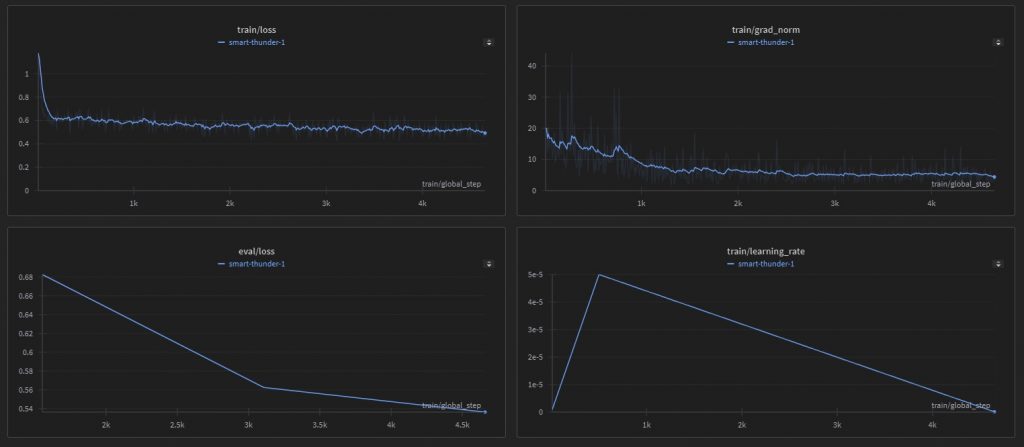
All four models were driven to the point of overfitting and the checkpoint before the overfit was selected as the best model. Overfitting is when model is trained to the point where its weights are adjusted to best fit training data features. This makes it perform exceptionally well on training data but less likely to generalise on new and never-before-seen data. Our approach is to test the limit of the model and see at which point it overfits and select the checkpoint saved just before it happens.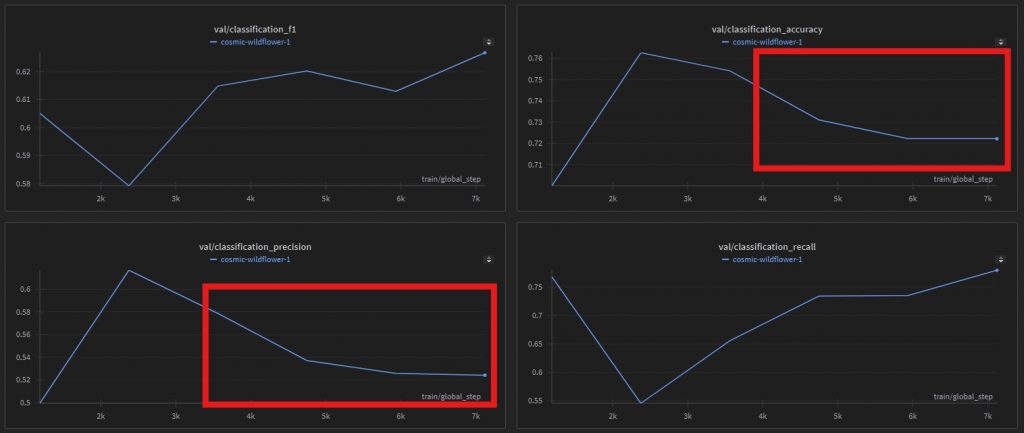
Training Configuration
- Dataset: 31,640 samples [Query,Title,Description,URL,CTR_delta]
- Base Model: albert-base-v2
- Labels: 3 [-1,0,1 for negative, neutral and positive delta]
- Input: Query
- Target: CTR_delta
- Training Validation Split: 80-20
- Max Length: 128
- Batch Size: 16
- Warmup Steps: 500
- Weight Decay: 0.01
- Checkpointing Strategy: Epoch
- Evaluation Strategy: Epoch
- Number of Epochs: 3
Post Training-Testing
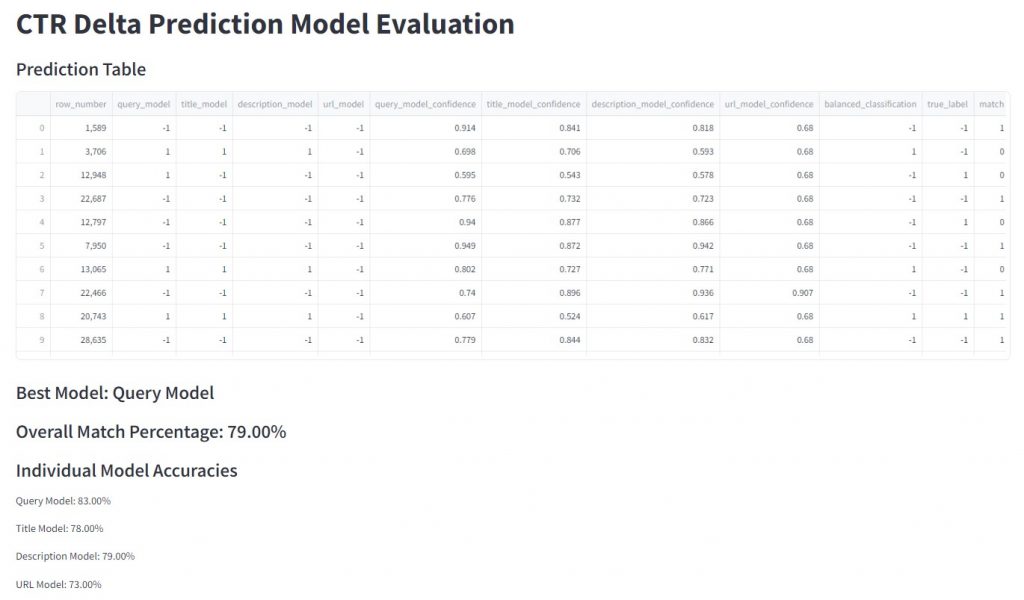
On inference we chain all four models in a single pipeline, each one making predictions for a single SERP snippet feature:- Query
- Title
- Description
- URL
- row_number
- query_model
- title_model
- description_model
- url_model
- query_model_confidence
- title_model_confidence
- description_model_confidence
- url_model_confidence
- balanced_classification
- true_label
Key Findings
- Query is a strong bias signal and will impact CTR more than the snippet itself.
- Title and description are about equally important in CTR prediction.
- URL is a less reliable predictor of CTR performance.